Understanding Anime Sex: A Cultural Perspective
The exploration of sexual themes in anime sex unveils a fascinating landscape, interwoven with cultural narratives and societal reflections. With roots tracing back to early Japanese art and literature, anime has evolved into a dynamic medium that actively engages with themes of intimacy and eroticism. This section delves into the origins of sexual themes in anime, the stereotypes it challenges, and the involvement of its fans, all essential for a deeper understanding of its cultural significance.
The Origins of Sexual Themes in Anime
The inception of sexual themes in anime can be traced back to traditional Japanese art forms such as ukiyo-e and shunga, which openly depicted erotic scenes for centuries. During the Meiji period (1868-1912), Western influences began to permeate Japanese culture, leading to a fascinating blend of ideas surrounding sexuality and representation. Early anime, emerging in the 20th century, adopted and adapted these themes within their narratives, providing both entertainment and commentary on contemporary societal issues related to sex and intimacy.
Breaking Stereotypes: Representation in Anime
Anime has often had a contentious relationship with gender roles and sexual representation. Traditionally, female characters have been portrayed through a male gaze, resulting in hypersexualized depictions. However, recent trends in anime illustrate a shift towards more nuanced portrayals of sexuality that challenge stereotypes. Female protagonists in series such as “Fruits Basket” and “Your Lie in April” explore complex emotional landscapes, reflecting a growing recognition of women’s experiences and individual agency in sexual relationships.
Fan Reactions and Community Involvement
The dynamics within the anime community play a crucial role in shaping its portrayal of sex. Fans actively engage in discussions around representation, often providing feedback that directly influences creators and the industry. Furthermore, the emergence of fan-created content, including doujinshi and online discussions, has allowed for broader expressions of sexuality that challenge mainstream narratives. This participatory culture not only promotes diversity in representation but also fosters a communal space for education and discourse on sexual topics.
Types of Anime Sex: Breaking Down the Categories
Understanding the different categories of anime sex is essential for navigating its complexities. From shonen and shojo genres to explicitly labeled categories like hentai and ecchi, each serves distinct purposes and caters to varied audiences. This section categorizes these types and examines how they reflect cultural sentiments.
Shonen vs. Shojo: Different Portrayals
Shonen anime, primarily targeted towards young males, often depicts sexual themes in a comedic or adventurous light, balancing action with romantic interests. Series like “Naruto” and “One Piece” might integrate mild fan service, yet they predominantly focus on overarching narratives of friendship and heroism. In contrast, shojo anime, aimed at young females, engages more deeply with emotional intimacy and relationships. Shows like “Sailor Moon” and “Ouran High School Host Club” offer romantic subplots that emphasize the importance of emotional connections rather than solely physical attraction.
Hentai and Ecchi: The Labeled Genres
Hentai and ecchi represent distinct categories within anime focused on sexual themes. Hentai, often characterized by explicit sexual content, pushes boundaries and serves primarily adult audiences. Titles like “Bible Black” are garnering controversy for their graphic portrayal of eroticism. Ecchi, on the other hand, incorporates sexual innuendo and suggestive themes without full explicitness. Shows like “High School DxD” leverage ecchi elements to create comedic and lighthearted narratives, appealing to a broader demographic while maintaining a level of accessibility for younger audiences.
Romantic Subplots in Popular Anime
Romantic subplots have become a hallmark of many popular anime series, often enriching the storytelling beyond action or adventure. Works like “Your Name” and “Toradora!” illustrate how romance intertwines with broader themes of growth and self-discovery. These narratives not only engage viewers on an emotional level but also provide commentary on the nature of relationships and societal expectations, positioning sexual themes within a framework of character development.
The Aesthetics of Sex in Anime: Visual & Narrative Techniques
The portrayal of sex in anime extends beyond mere representation; it involves intricate visual and narrative techniques that enhance viewer engagement. Understanding these aesthetics provides insight into how sexual themes resonate with audiences.
Visual Symbolism in Sexual Scenes
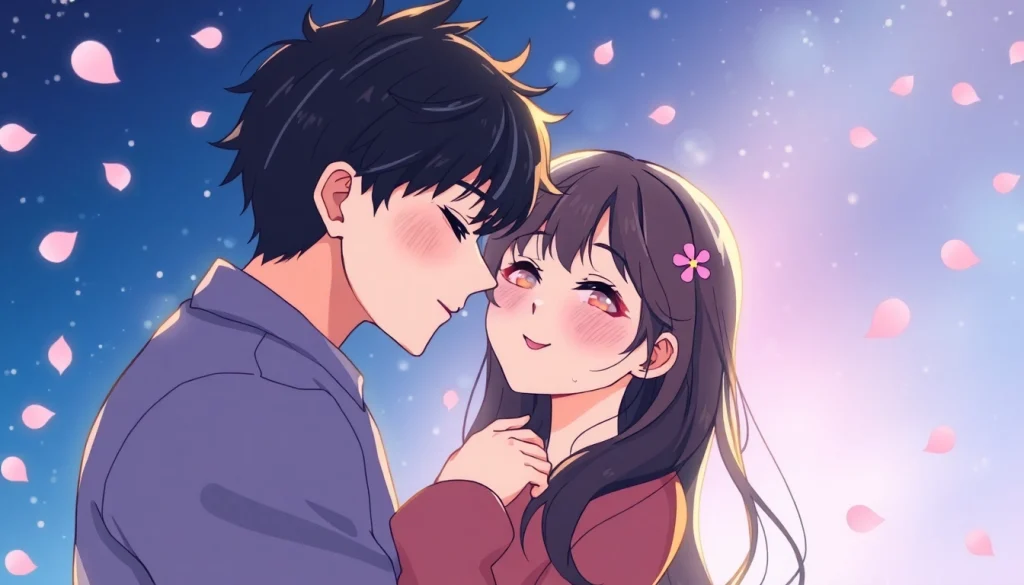
Visual symbolism plays a pivotal role in conveying sexual themes within anime. Directors and animators utilize a variety of techniques, such as color palettes and character design, to evoke specific emotions. For instance, softer lighting and pastel colors might suggest romantic intimacy, while darker tones can signify tension or danger in sexual situations. Additionally, the use of framing and camera angles also guides viewer perception, often reinforcing the emotional weight of erotic scenes without overt explicitness.
Narrative Structures that Emphasize Intimacy
Narrative structures within anime also significantly impact the depiction of sex. Many successful series employ unreliable narrators, nonlinear timelines, and parallel stories to enhance intimacy between characters. These narrative devices allow for deeper exploration of relationships, providing context that enriches sexual encounters. Titles such as “Clannad” and “Steins;Gate” utilize these structures masterfully, emphasizing emotional stakes and the consequences of relationships, thereby intertwining them with sexual themes.
The Role of Music and Sound Design
Audio elements—including music and sound design—further elevate the aesthetic of sexual themes in anime. The selection of a romantic score or ambient sounds can create a particular mood, making intimate scenes more resonant. In contrast, comedic timing in the soundtrack can lighten the atmosphere of ecchi scenes, ensuring that the depiction of sexual themes aligns with the overall tone of the anime. These auditory components work in conjunction with visual cues to craft memorable and impactful moments that linger in viewers’ minds.
Impact of Anime Sex on Viewer Perception
The representation of sexual themes in anime significantly influences viewer perceptions of relationships, gender roles, and societal norms. This section delves into how anime shapes attitudes towards these subjects and the discussions surrounding its portrayals.
Shaping Views on Relationships and Gender Roles
Anime frequently reflects and shapes societal attitudes towards relationships and gender roles. The portrayal of romantic dynamics and sexual encounters can either reinforce harmful stereotypes or promote healthy relational models. Engaging with series that depict equitable partnerships, such as “Fruits Basket,” encourages viewers to recognize the value of mutual respect and consent, potentially fostering more positive attitudes towards relationships in real life. Conversely, anime that perpetuates toxic dynamics may contribute to distorted perceptions of acceptable behavior in romantic contexts.
Controversies and Discussions within the Community
Anime’s handling of sexual themes has sparked considerable controversy, often igniting discussions within the community. Debates surrounding censorship, the sexualization of minors, and the portrayal of consent frequently arise, reflecting broader societal concerns. The anime community engages critically with these topics, often advocating for responsible representation and addressing instances of problematic content. Platforms such as Reddit and specialized forums serve as conduits for discussion, promoting awareness and encouraging creators to confront these issues thoughtfully.
Psychological Impacts of Consuming Sexual Content
The psychological impact of consuming sexual content in anime cannot be understated. Studies suggest that exposure to various sexual themes can influence viewers’ understanding of sex and relationships, shape their expectations, and even affect their behaviors. This influence can be particularly strong among younger audiences still navigating their understanding of intimacy. It becomes imperative for viewers and creators to be aware of these effects, fostering discussions that emphasize critical engagement with the material rather than passive consumption.
Future Trends in Anime Sex Representation
As anime continues to evolve, so too does its representation of sexual themes. Emerging trends illustrate the changing landscape of audience expectations and technological advancements, which promise to reshape how sexuality is depicted in animated narratives.
Shifts in Audience Expectations and Preferences
Contemporary audiences are more discerning regarding representation and inclusivity, demanding complex portrayals of sexuality and relationships in anime. This shift is reflected in the increasing diversity of characters and narratives that challenge traditional norms, including LGBTQ+ representation and non-binary characters. As audiences evolve, it is likely that creators will respond by crafting stories that resonate more deeply with varied experiences, enriching the discourse surrounding sexuality in the genre.
The Role of Technology in Animation
Advancements in animation technology open up new possibilities for how sexual themes can be represented in anime. High-definition graphics, virtual reality, and augmented reality offer innovative ways to engage viewers, immersing them in intimate experiences that resonate emotionally. These technologies provide opportunities for creators to experiment with form and storytelling, potentially enriching the viewer’s experience of the sexual themes being explored.
Potential for Diverse Storytelling
As demand for a broader range of narratives grows, anime has the potential to explore sexuality in unprecedented ways. Creators might embrace stories that focus on less conventional relationships, reflecting the complexities of modern life. This includes exploring themes of consent, gender fluidity, and the intersections of culture and identity. As these stories are embraced, they provide a platform for discussion and understanding, appealing to a more diverse audience and challenging normative constructs.